















HYPERFAUX
Computational images materialized through photographic process.
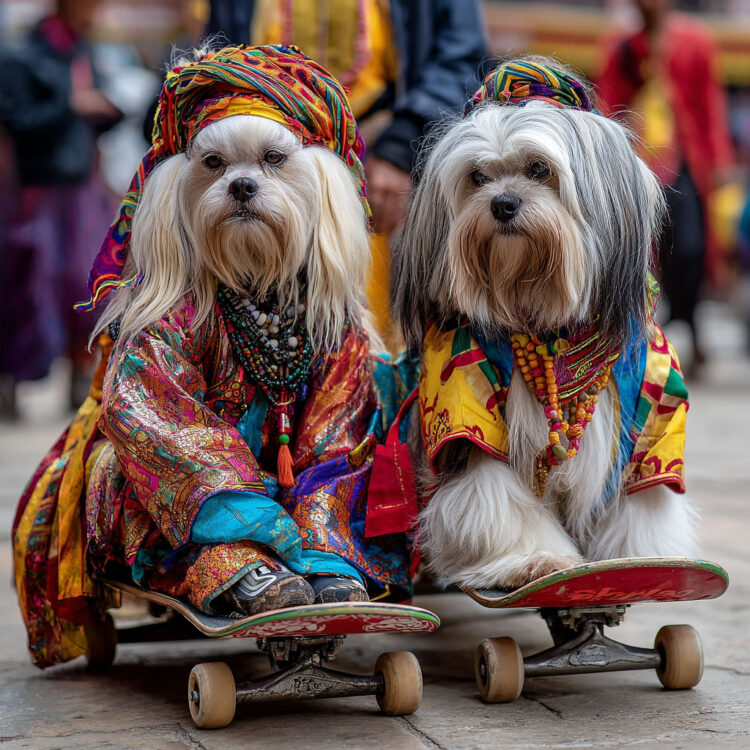
Hyperfaux considers photography’s status within contemporary computational image culture by asking when an image becomes a photograph, and how photographic belief can be mobilized independently of photographic authenticity. The works originate as text-generated images produced by AI without light, optics, or physical referent. As such, they emerge outside the photographic process altogether.
Rather than accepting the initial outputs as finished works, I iterate within generative systems, repeatedly revising prompts to correct machine failures that undermine perceptual coherence. This mediation is not aimed at eliminating impossibility, but at focusing it: the images are constructed to appear photographically credible while depicting moments that could not—or likely would not—occur.
The resulting Hyperfaux images occupy a deliberate tension between plausibility and impossibility. This tension operates as a counterpoint to their generative origin, probing photographic belief rather than producing spectacle as an end in itself. Without this corrective iteration, technical error would stand center stage and eclipse impossibility as concept.
I consider these images photographs only once they are translated into physical form through LightJet exposure onto chromogenic paper—a process that reintroduces light, chemistry, and material consequence. By distinguishing exposure from accumulation—LightJet versus inkjet—Hyperfaux tests whether photographic authenticity resides in visual resemblance or in the procedural conditions under which an image comes into physical form.
The most recent iterations of Hyperfaux intensify this tension, as increasing computational specificity and gesture complicate any clear distinction between synthetic origin and photographic presence. Authorship in this work operates through instruction, revision, and constraint: the verbatim AI prompts function as both titles and compositional frameworks, evidencing a process of negotiation rather than delegation.
As an expanded image practice, Hyperfaux embraces computational generation while insisting on a material and ethical threshold by which images acquire photographic status. In doing so, the work treats photography as a contingent process—one that persists not through technology or appearances, but through deliberate engagement with light, mediation, and responsibility in an algorithmic age.