


CUBA
Cultural documentation.
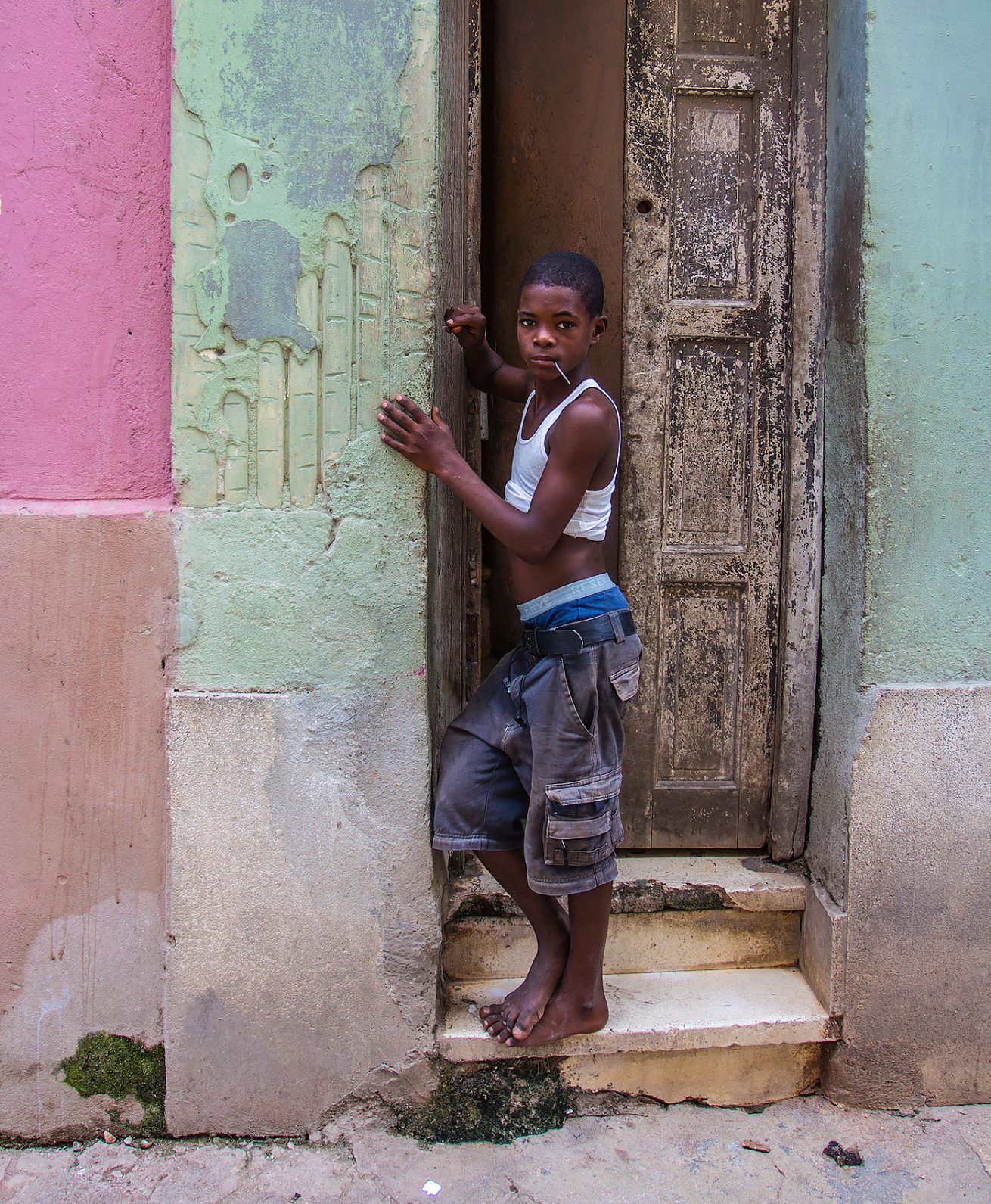
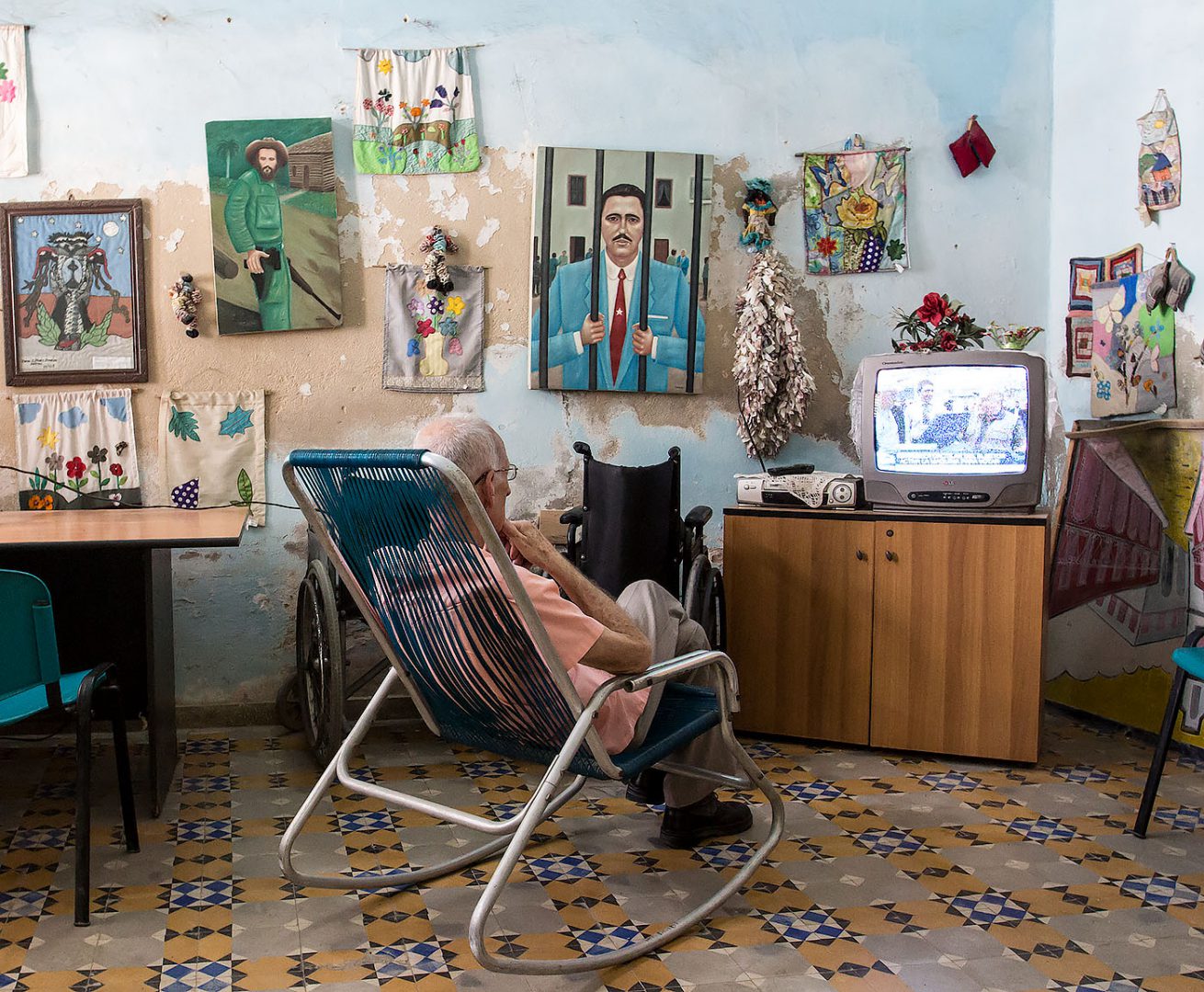
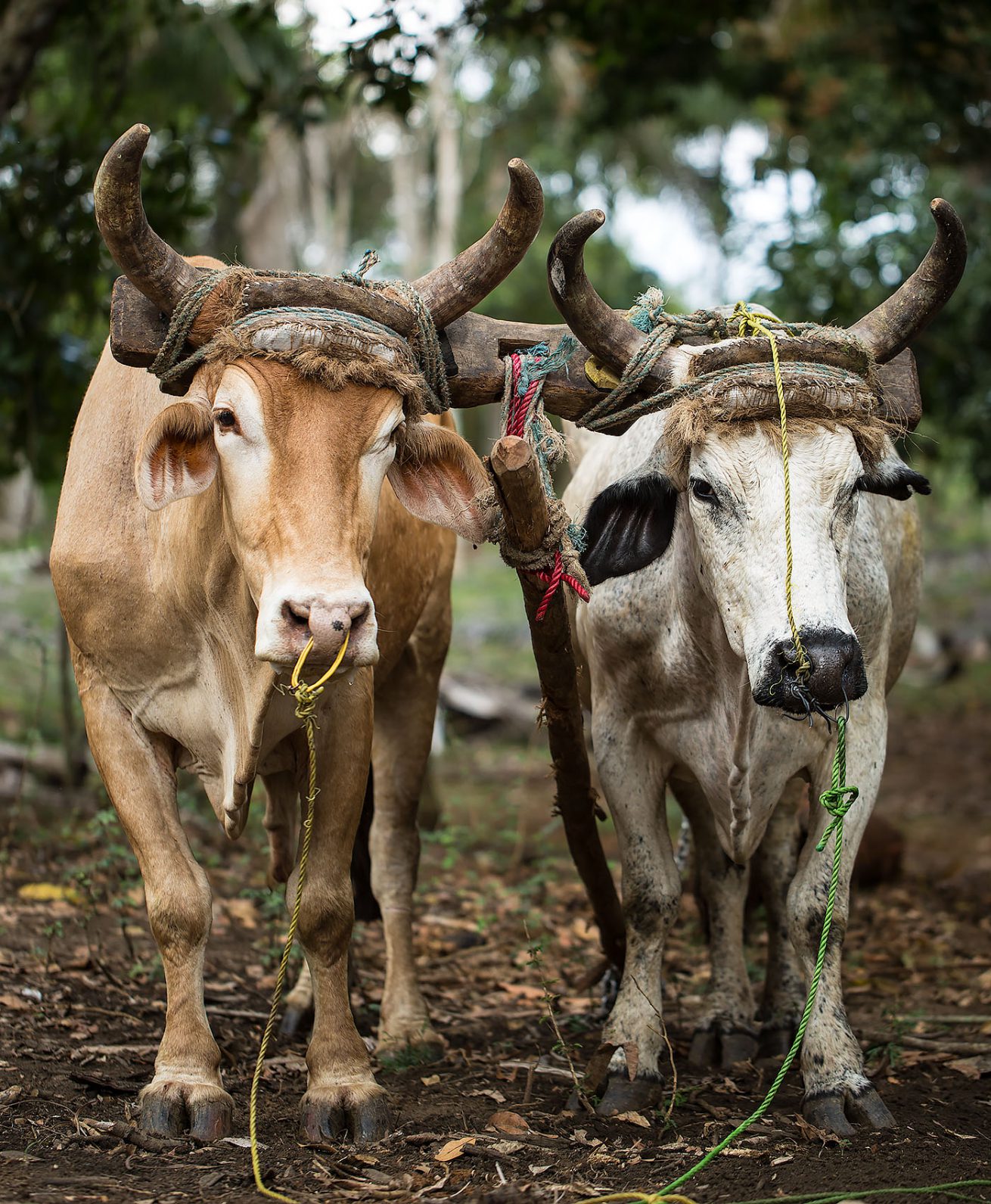
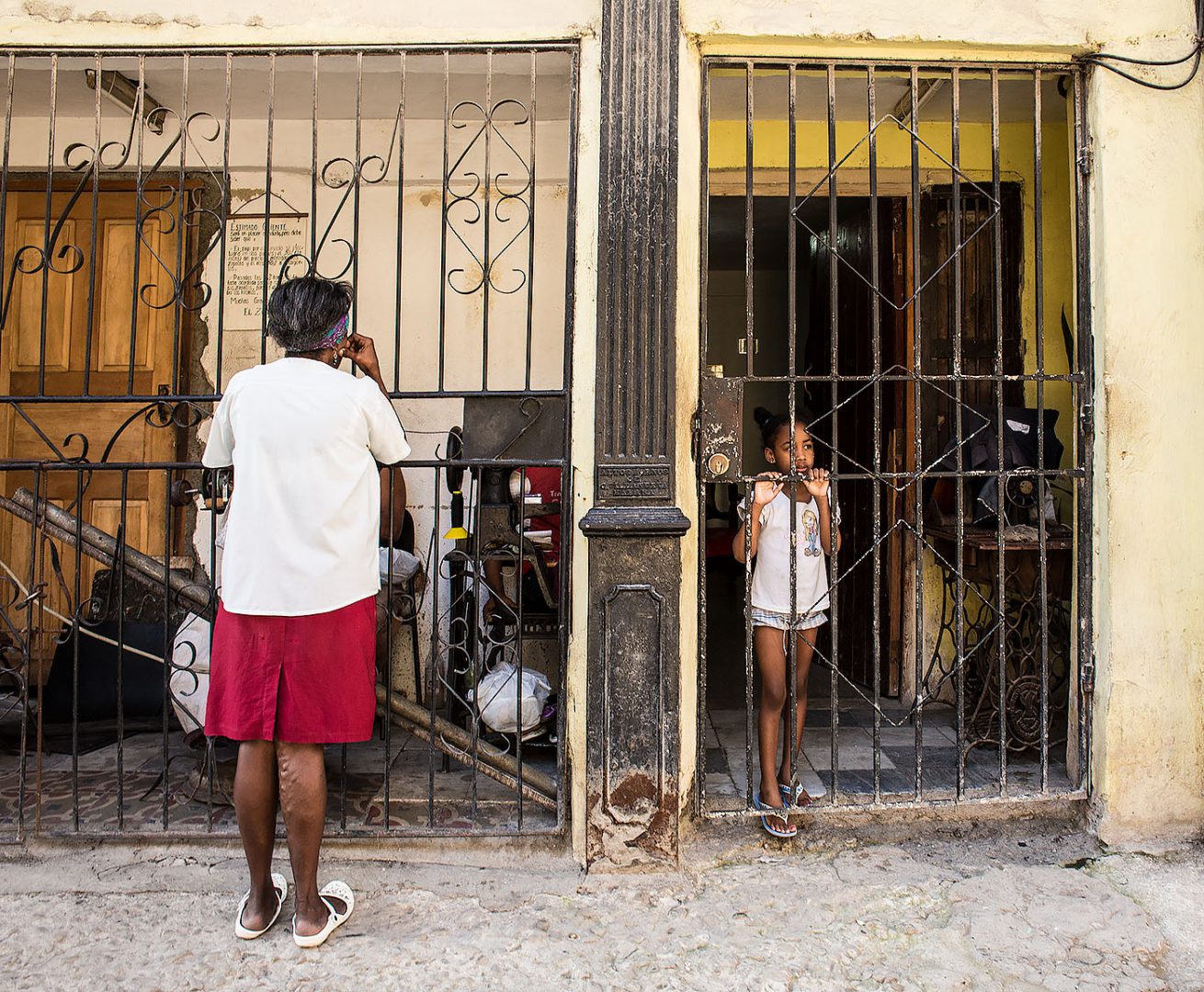
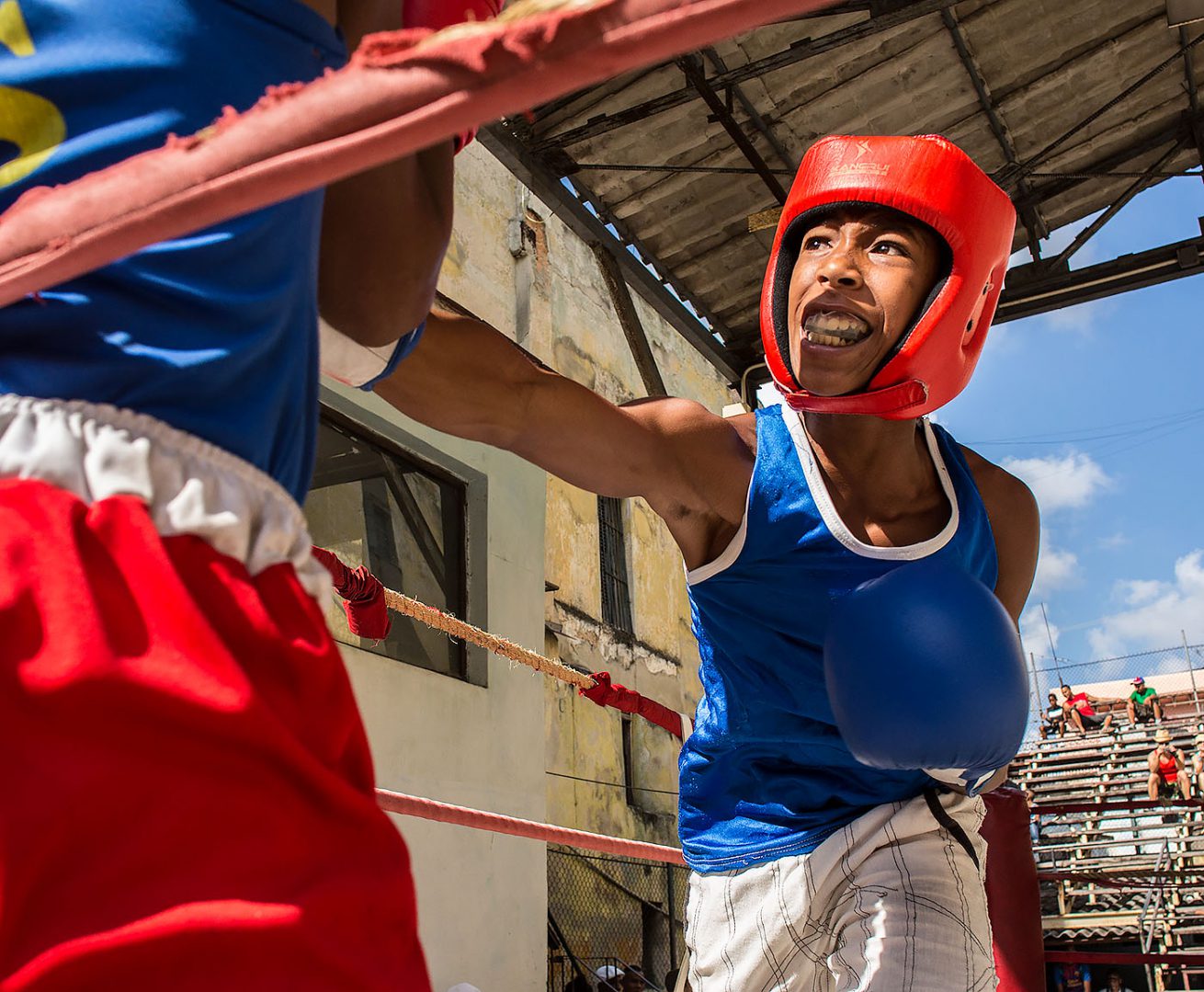
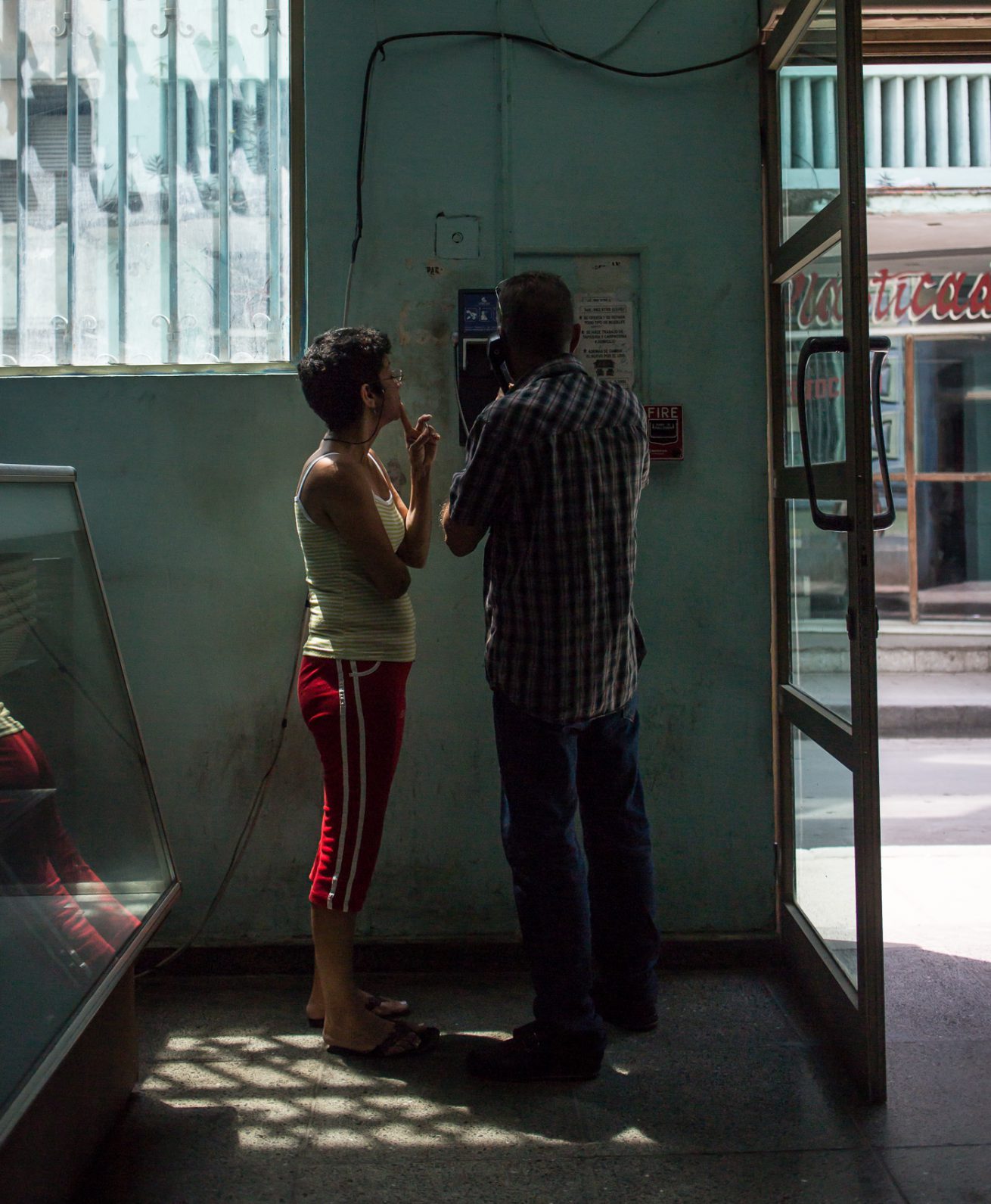
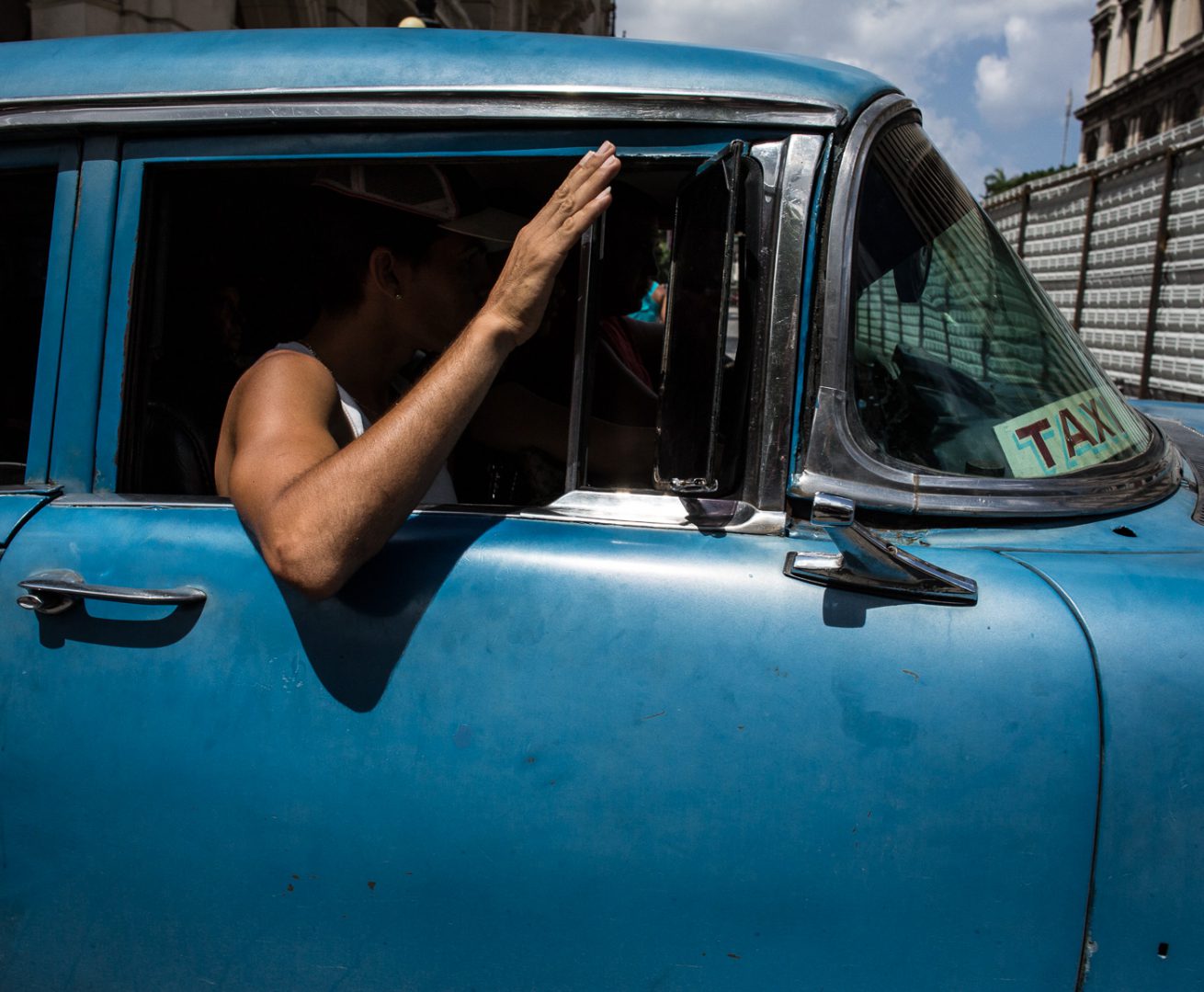
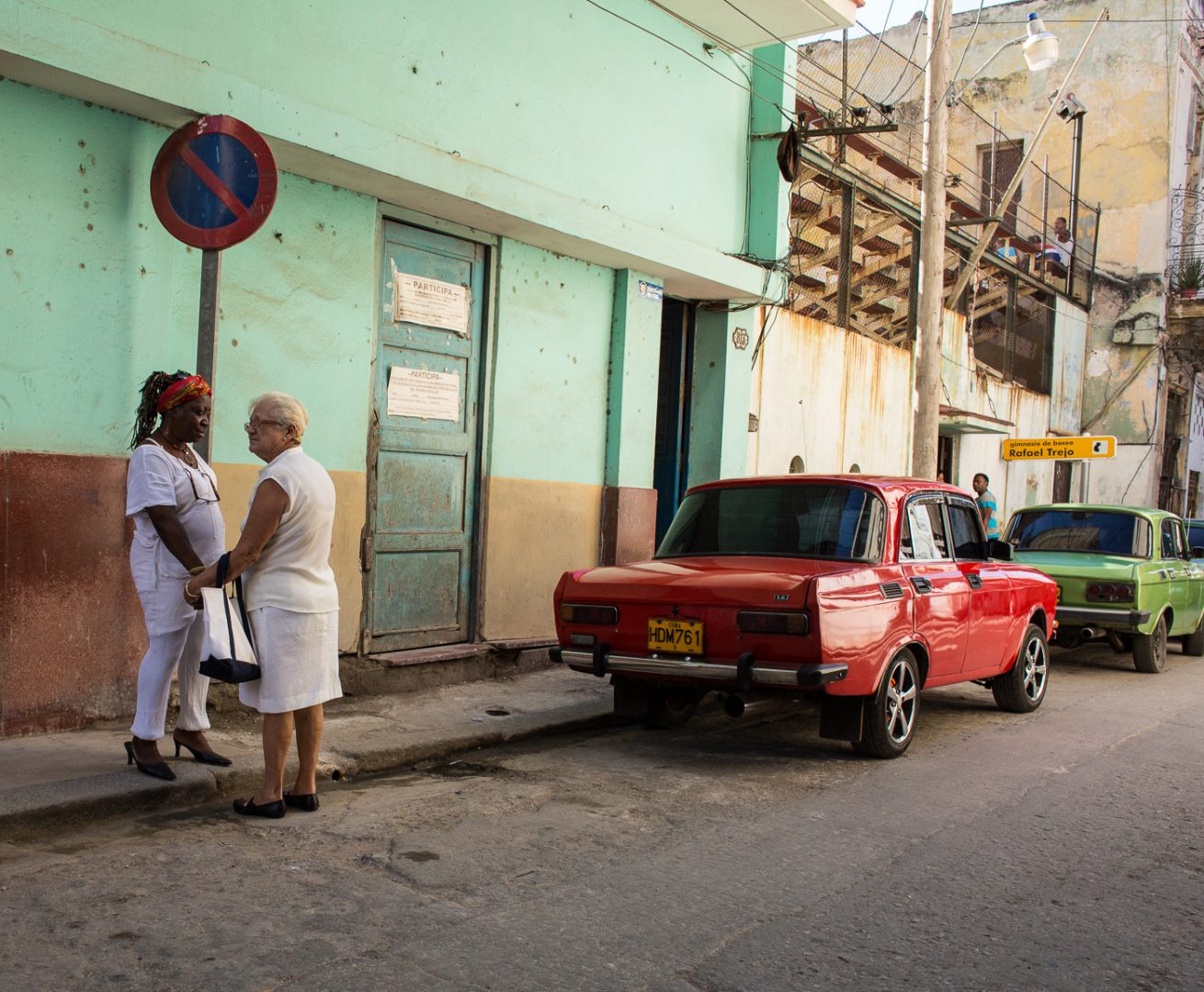
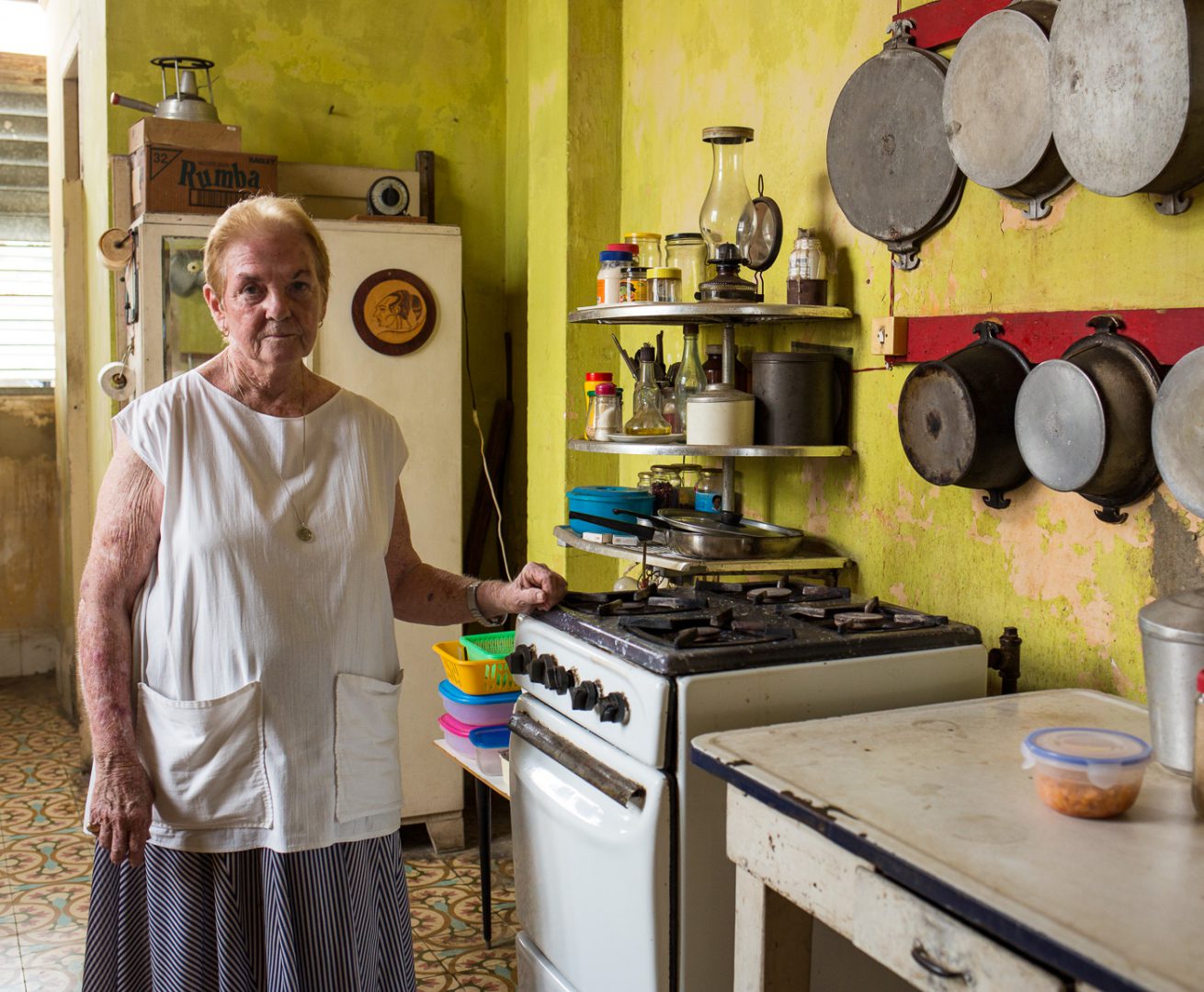
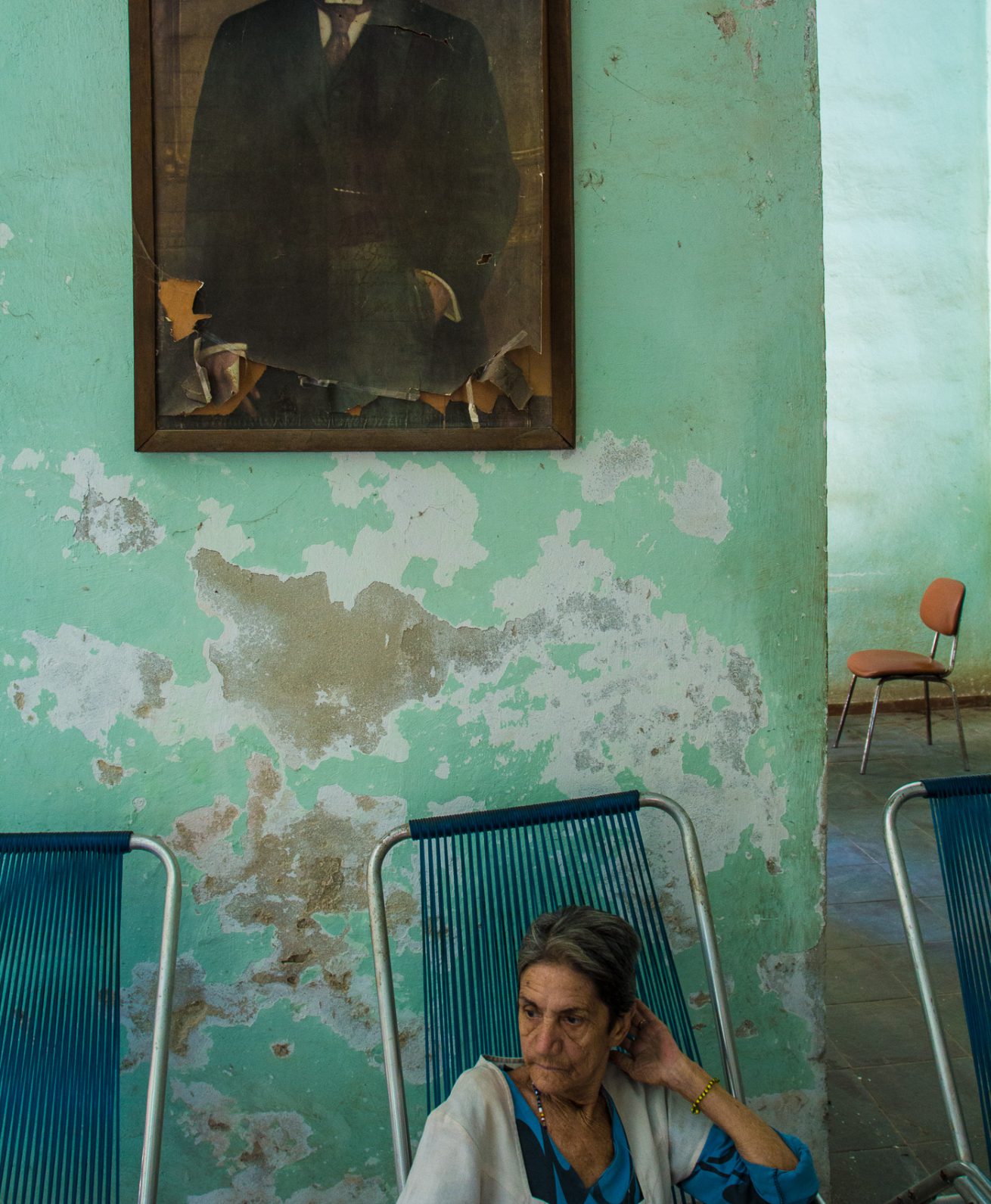
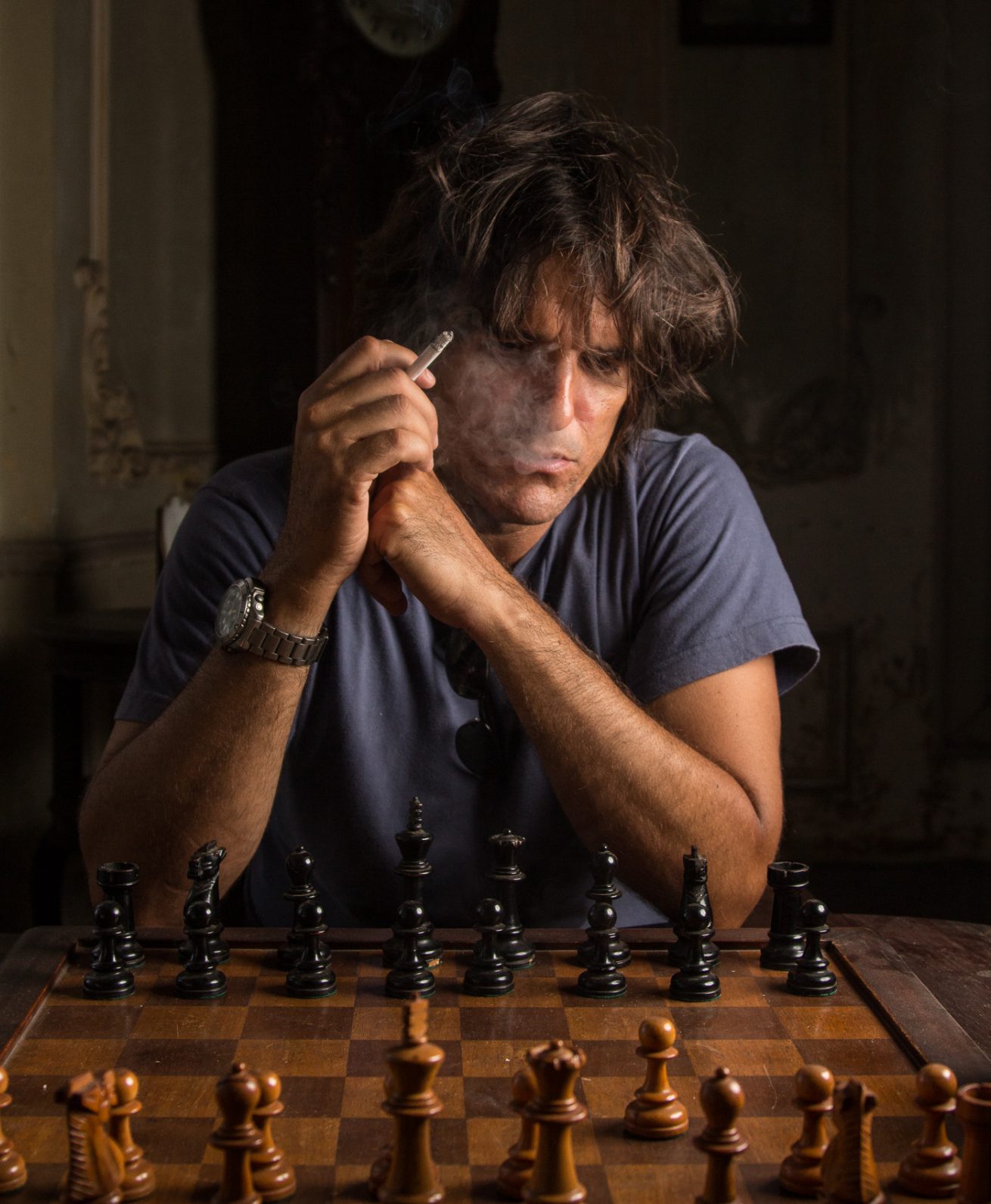
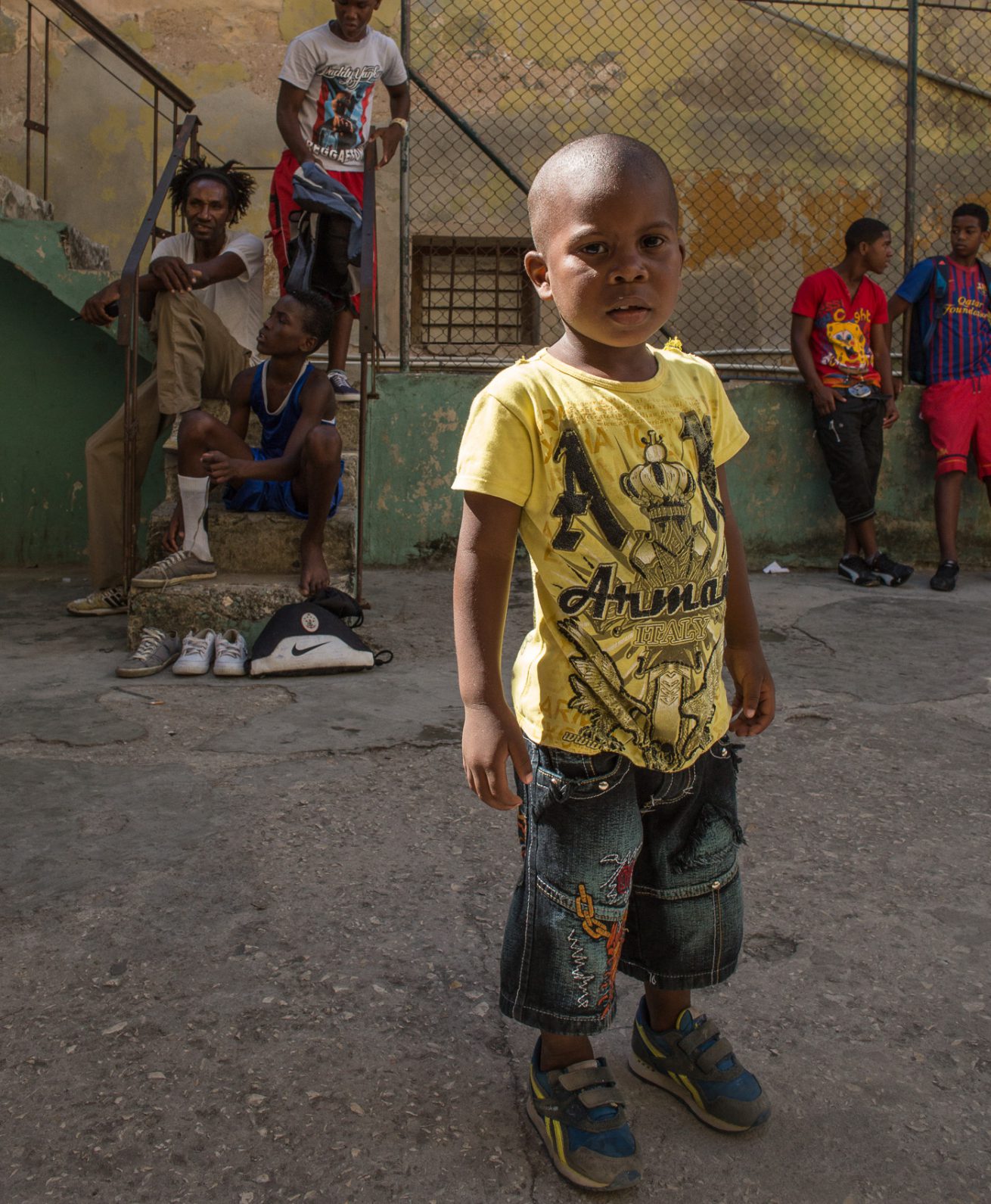
My Cuba series, created during a residency in Havana in 2013, portrays intimate moments of Cubans moving through the rhythms of daily life. The photographs were made quickly and instinctively, shaped by brief encounters rather than prolonged engagement. In the spirit of Henri Cartier-Bresson, my relationship to each scene was fleeting, guided by intuition and the belief that meaning can surface in the fraction of a second when gaze and gesture align.
This mode of working privileges immediacy over deliberation. The photographer becomes a responsive participant in the moment, attentive to nuance, posture, and the quiet choreography of everyday life. I value these photographs for the sincerity of their vision—for their attempt to honor lived experience without embellishment or staging. They reflect my desire to bear witness rather than to explain, allowing moments to remain open and unresolved.
At the same time, the images inevitably carry complexities that resist resolution. Embedded within them are the social inequities that shape contemporary Cuba, as well as those introduced by my own position as an outsider with a camera. The act of photographing across cultural and economic difference is never neutral; it risks aestheticizing hardship, simplifying lived realities, or reinforcing inequities between observer and observed.
This tension—between empathy and distance, access and limitation—remains central to the work. Rather than attempting to reconcile it, the Cuba photographs hold space for uncertainty and self-examination. They ask not only what is seen, but who is doing the seeing, and under what conditions. In acknowledging these questions, the series reflects my ongoing effort to reckon with the ethical responsibilities inherent in photographic practice.